How to Track DeFi Liquidity Additions and Removals
Liquidity monitoring helps traders, LPs, and protocol teams detect sudden reserve shifts, pool exits, and capital rotation before those changes ripple through the rest of the market.
Direct answer
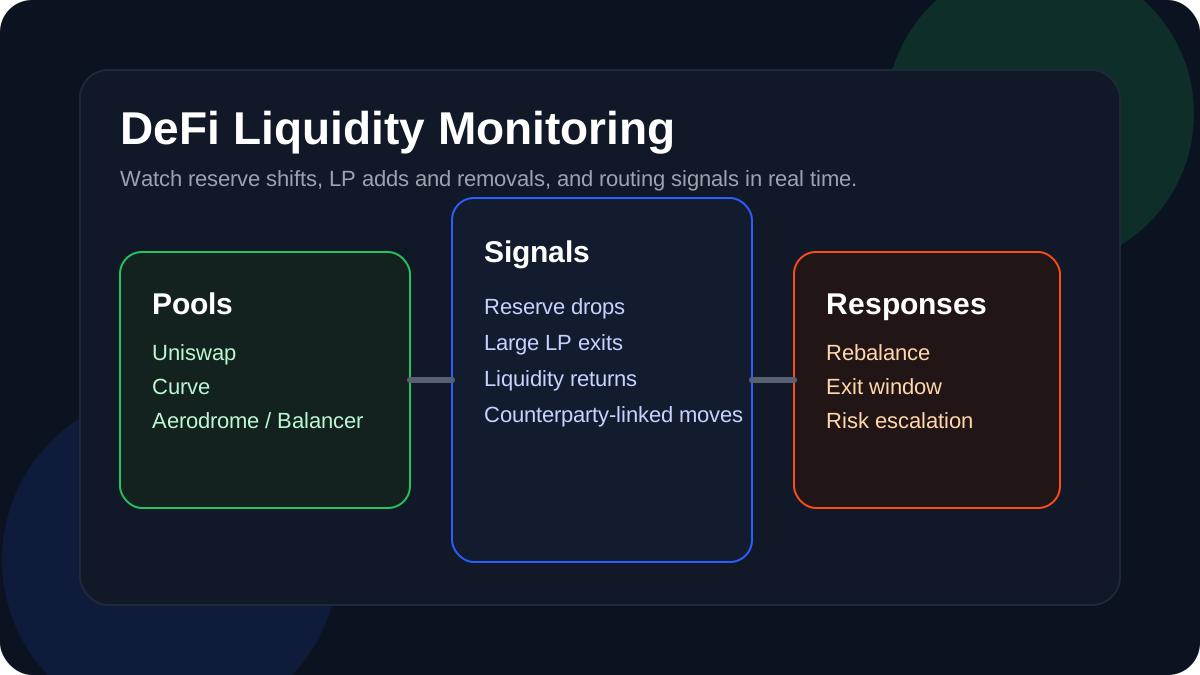
To track DeFi liquidity additions and removals in real time, monitor the LP or pool contracts for reserve changes, mint and burn events, and large withdrawals. Add thresholds so alerts focus on meaningful shifts in capital, then route them to the channels your team actually uses.
Introduction
Liquidity is one of the clearest on-chain signals available to traders and protocol teams.
When capital enters or exits a pool, the consequences often show up before a dashboard, newsletter, or market recap catches up.
Why Liquidity Signals Matter
- Liquidity exits can increase slippage and reduce market depth
- Large additions can signal renewed confidence or expected activity
- Reserve shifts often precede volatility, incentives changes, or governance action
- Pool-level changes can reveal protocol risk faster than front-end dashboards
What To Watch In A Liquidity Monitoring Setup
- The specific pool or vault contract address
- Add and remove liquidity events
- Reserve or share token changes above a threshold
- Counterparties such as whales, treasuries, or deployer-linked addresses
Which Use Cases Benefit Most?
Liquidity alerts are relevant to more than traders.
Liquidity providers
LPs use alerts to watch for large exits, reserve imbalance, and periods where rebalance or withdrawal decisions become urgent.
Token and protocol teams
Teams can detect unusual liquidity withdrawals, reward-program changes, or coordinated capital shifts more quickly.
Traders and researchers
Liquidity changes help traders understand where volatility may increase and where capital is rotating next.
Set Better Thresholds
Most noisy liquidity alerts come from thresholds that are too broad or too small.
- Use pool-specific thresholds instead of one rule for every protocol
- Separate informational reserve changes from urgent outflows
- Add token and counterparty filters where possible
- Track repeated small withdrawals if they indicate strategic exits
Combine Liquidity Monitoring With Other Signals
Liquidity alerts become more useful when paired with wallet monitoring and smart contract event alerts so you can see which addresses and protocol actions are driving reserve changes.
Try Pulsiv
Get notified when liquidity moves
Track pool inflows, outflows, and reserve changes across supported chains and send alerts to your trading or ops workflow.
FAQ
Frequently asked questions
Short answers to the common questions people ask when evaluating on-chain alerts and blockchain monitoring tools.
What is liquidity monitoring in DeFi?
Liquidity monitoring means tracking pool or vault contracts for reserve changes, LP additions, LP removals, and other events that affect market depth and protocol health.
Why track liquidity removals?
Large liquidity removals can signal rising risk, lower depth, higher slippage, or a change in market confidence.
Can liquidity alerts help token teams?
Yes. Token and protocol teams can use liquidity alerts to detect unusual exits, reserve shifts, or changes tied to incentives and governance.
Do I need a custom indexer to track LP events?
No. A real-time alerting workflow can watch pool contracts and send notifications without a custom indexing stack.
Related articles
More on blockchain monitoring
Related guide
How to Monitor a Crypto Wallet in Real Time (No Code)
Pair pool monitoring with watched treasury, whale, and deployer wallets.
Related guide
How to Set Up Ethereum Smart Contract Event Alerts
Track emitted events from pools and protocol contracts alongside reserve changes.
Related guide
Best Whale Alert Alternatives in 2026
Compare tools that go beyond transfer alerts and help monitor market structure in real time.